Post-Renovation vs Deep Cleaning
Particulate-size difference, equipment difference, and why standard vacuums fail on construction dust — and the cost premium justification.
We often see Ampang homeowners weighing post renovation vs deep cleaning, hoping to save money by booking a standard heavy-duty service after their contractors leave.
The confusion makes sense since both options sound intense and cost more than regular maintenance. Our team knows these two services handle entirely different types of residue.
Choosing the wrong option guarantees that fine construction dust will keep circulating through your Selangor home for weeks. We will break down exactly how these services differ, the hidden health risks, and which option makes financial sense for your property.
The fundamental difference: particulate size
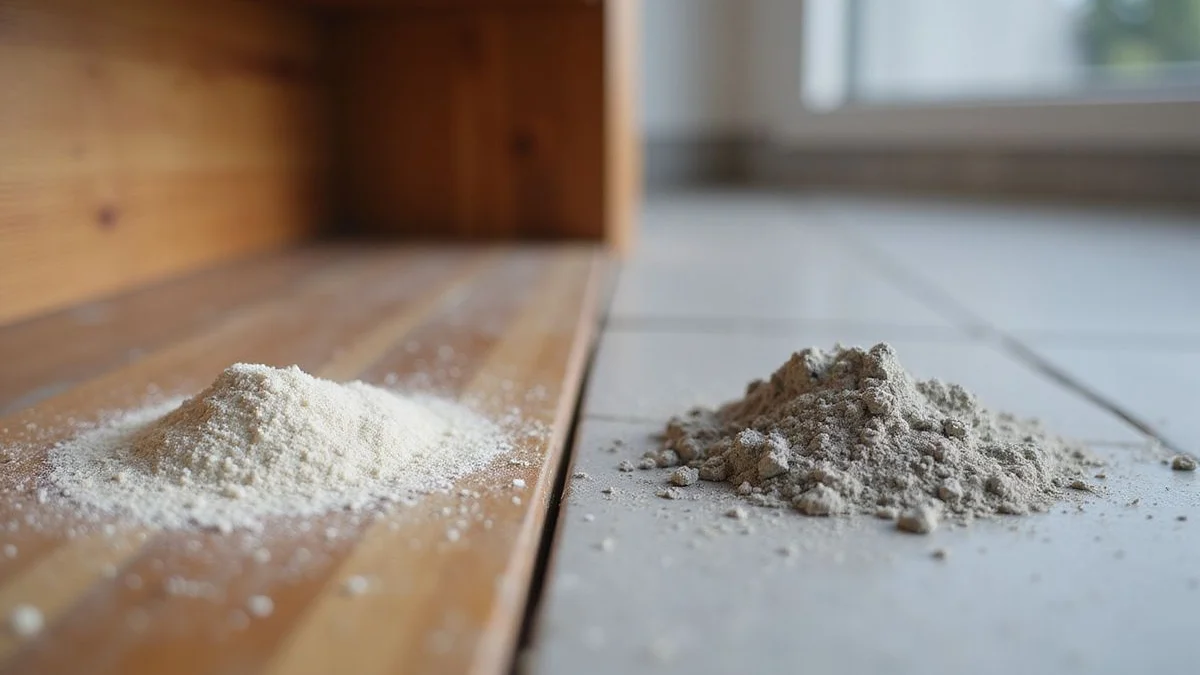
We measure household dust like skin cells, fabric lint, and pollen at an average size of 10 to 100 microns. Construction dust is significantly finer and poses a totally different challenge for indoor air quality.
Our measurements show that gypsum and drywall dust range from just 1 to 5 microns in size.
- Gypsum and drywall dust: 1 to 5 microns
- Cement and concrete: 0.5 to 5 microns
- Sanding residue from wood floors: 1 to 20 microns
- Paint over-spray: 1 to 10 microns
These particulates are 10 to 100 times smaller than everyday household dirt. We find that standard vacuums struggle with this fine debris because they simply lack the design to capture it.
A 2025 study on indoor air quality highlights that airborne silica dust from concrete directly impacts respiratory health in urban areas.
Why standard vacuums fail
We see a typical household vacuum rated for HEPA filtration at 0.3 microns, which achieves 99.97 percent efficiency only inside the filter housing. The rest of the machine often pushes fine particulate right back into the room.
When you vacuum construction dust with a standard household HEPA unit:
- Some particulate gets trapped by the filter element.
- Fine dust passes directly through gaps in the plastic seals.
- Microscopic debris recirculates heavily through the motor exhaust.
- The net result equals a 30 to 60 percent capture rate, with massive redistribution.
Our post-renovation crews bypass these household tools entirely. An industrial sealed-system HEPA shop vacuum, like the commercial Karcher units, achieves over 99 percent effective capture.
We rely on these heavy-duty units because the entire system is sealed end-to-end.
Why standard solvents fail
We know regular household solvents are formulated strictly for organic grime, soap film, and food spills. Renovation debris in Selangor homes consists almost entirely of mineral or chemical compounds.
Construction residue typically includes:
- Cement particulate containing calcium carbonate.
- Gypsum leaving behind calcium sulfate.
- Drywall mud relying on chemical-based formulas.
- Paint over-spray consisting of polymer-based materials.
- Tile adhesive using resin-based bonding agents.
We always warn clients that acidic household products like vinegar or citric descalers can permanently etch fresh grout and marble. Standard alkaline degreasers simply smear cement particulate into a stubborn, white film.
Our specialists use pH-neutral solvents specifically chosen for compatibility with uncured finishes. These specialized formulas interact safely with chemical residue without causing costly surface damage.
Equipment comparison
Professional renovation cleanup requires industrial-grade machinery and specific safety gear that standard services do not carry. We have created a simple equipment comparison for post renovation vs deep cleaning to highlight the tools required for each approach.
| Equipment | Deep Cleaning | Post-Renovation |
|---|---|---|
| Vacuum | Standard HEPA household | Industrial sealed-system HEPA shop vacuum |
| Filter rating | HEPA 0.3 micron | Industrial HEPA, sealed system |
| Solvents | General-purpose | pH-neutral, finish-safe |
| Detail tools | Brush set | Brush, plastic scrapers, and safe razors |
| PPE | Optional | Respirator and eye protection required for team |
| Time per area | Standard | 30 to 50 percent longer |
| Equipment consumables | Standard mop heads, cloths | HEPA filter cartridges, specialized wipes |
Proper safety gear like respirators is non-negotiable for crews handling fine silica dust. We notice the heavy reliance on specialized HEPA cartridges drives up the baseline requirements for the team.
Scope comparison
Post-renovation work involves intensive particulate extraction before any wet washing begins. We structure our specialized service to include a mandatory two-pass approach to catch settling dust.
Both services reach behind appliances and into hidden surfaces, but the differences are clear:
| Task | Deep Clean | Post-Renovation |
|---|---|---|
| Ceiling fan blades | Wiped | HEPA-vacuumed first, then wiped |
| Vent grilles | Surface wipe | Interior extraction |
| Switch housings | Surface wipe | Interior cavity extraction |
| Cabinet runners | Visible debris | Full extraction |
| Grout deep clean | Surface scrub | Particulate extraction first, then scrub |
| Two-pass approach | No | Yes (settle and re-clean) |
| Glass | Polished | Limescale removed, polished |
| Adhesive removal | Not typical | Standard scope |
| Finish-safety priority | Standard | Critical (uncured finishes) |
When comparing a post construction vs deep clean, the crucial two-pass method ensures that any airborne particles settling later in the day are fully captured. Our crews prioritize finish safety above all else when handling newly installed cabinets and tiles.
Cost comparison, 3BR condo
Expect to pay a premium for post-renovation cleanup due to the cost of heavy-duty filters, specialized chemicals, and larger crews. We track 2026 cleaning costs across Selangor, confirming that a standard 1,000 to 1,200 square foot unit demands different budgets based on the service.
| Service | Cost band | Why |
|---|---|---|
| Regular clean | RM150 to RM200 | Maintenance |
| Deep clean | RM480 to RM650 | Intensive household scope |
| Post-renovation | RM700 to RM1,200 | Industrial equipment, two-pass, larger team |
The 1.5 to 2 times price increase over a deep cleaning covers:
- Industrial HEPA equipment and consumable filter cartridges.
- Specialized pH-neutral solvents for uncured finishes.
- Larger teams with three to four cleaners instead of two.
- Longer durations spanning 8 to 12 hours rather than a standard 5 to 7 hours.
- Mandatory personal protective equipment for the team.
- Insurance covering specific finish-damage risks.
Our clients quickly realize this upfront investment protects their expensive new finishes from permanent damage, highlighting the main financial difference in a renovation cleanup vs deep clean.
When to book which
Base your decision entirely on the recency and scale of your construction work to avoid wasting money. We created this quick reference guide to help Ampang and Selangor residents choose the right package.
| Situation | Service to book |
|---|---|
| Quarterly home reset, no renovation in 6+ months | Deep cleaning |
| Pre-festival reset | Deep cleaning |
| Routine maintenance scope outgrown | Deep cleaning |
| Recent paint refresh in 1 room | Deep cleaning (after cure) |
| Significant renovation in last 30 days | Post-renovation cleaning |
| Full home renovation just completed | Post-renovation cleaning |
| Kitchen or bathroom renovation completed | Post-renovation cleaning |
| Move-in to a unit that was renovated for you | Post-renovation cleaning |
Developer handover units always require the specialized service, as they are essentially active construction sites until the final clean. We advise homeowners to wait at least a day after contractors finish before bringing the cleaning crew in.
What happens if you book the wrong one
Booking the wrong service leads to poor indoor air quality and the frustrating need to pay for a second cleaning. We see the consequences directly when clients initially choose the cheaper option for a newly built space.
If you book a deep clean when you actually need post-renovation cleaning:
- 60 to 70 percent of construction dust is removed, while 30 to 40 percent redistributes through the home.
- Fine particulate continues to settle for weeks afterward.
- Your air-con will recirculate dust through every fresh-air cycle.
- You will need to clean again in two to three weeks anyway.
Our team often gets called in to fix these exact situations. A 2025 community health study in urban areas linked this lingering airborne dust directly to prolonged coughing, throat irritation, and asthma flare-ups.
Overpaying in the other direction
We also want to be transparent about what happens if you book the heavy-duty service when a standard reset would have worked.
If you book post-renovation cleaning when a deep clean would have sufficed:
- You overpaid by 30 to 50 percent.
- The result is excellent, but you did not need that level of extraction.
The financial error is much more costly in the first direction. Our recommendation is simple: when in doubt about lingering cement dust, secure the specialized service.
Choosing the right package in the post renovation vs deep cleaning debate protects your family’s respiratory health and your brand-new property finishes.
We are here to help you clear the air and settle into your newly upgraded space safely. You can easily schedule an appointment or check local rates to plan your budget accurately.
Book a post-renovation clean or see Selangor post-renovation pricing.
Related service
Post-Renovation Cleaning
Two-stage cleanup after a renovation - gross debris first, then a HEPA-vacuum and detail pass that removes the fine cement dust home vacuums miss.
Learn about Post-Renovation Cleaning