
Post-Renovation Cleaning Checklist for Selangor
Stage-by-stage post-renovation cleanup checklist with Selangor-specific monsoon and cement-cure considerations.
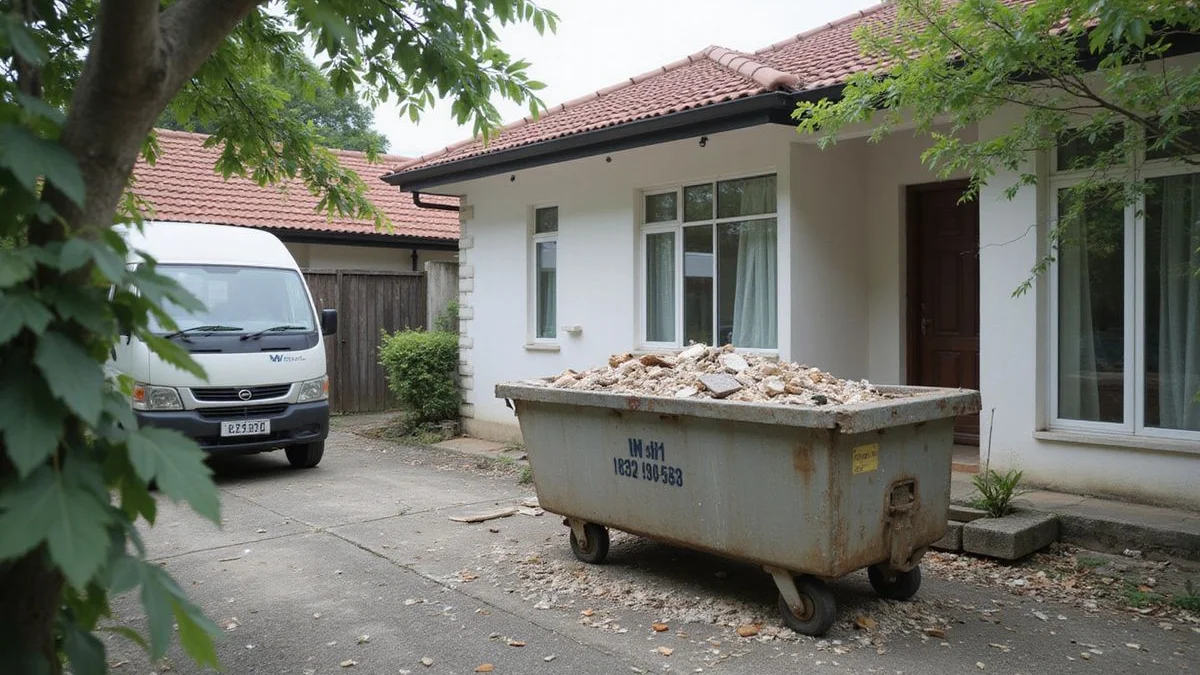
We see it happen all the time with new projects. Homeowners rush into a post renovation cleaning checklist selangor style, only to spend weeks fighting resettling dust.
The secret to a perfect finish is actually sequence rather than pure effort. Doing things in the wrong order turns a weekend job into a frustrating cycle of damaged surfaces and dirty floors.
Let us walk through the exact method our team uses to guarantee a truly clean space. This guide covers exactly when to start and what to tackle first.
Stage 0: pre-cleanup safety
Safety comes before any sweeping begins. Our team strictly follows a pre-cleaning protocol to avoid injuries from hidden hazards.
- Sharp debris swept and bagged: broken tile, cut metal edges, exposed nails
- Paint and chemical fume status: ensure ventilation has run 24+ hours after final wet work
- Electrical safety: check that SIRIM-approved switches and outlets are capped and tested
- Water safety: flush and test all new plumbing fixtures
- PPE ready: stock up on 3M N95 respirator masks, eye protection, and thick work gloves
For DIY cleanups, start a strict respirator routine immediately. Malaysia’s Department of Occupational Safety and Health warns that construction dust contains dangerous silica and gypsum particles. These materials pose a massive respiratory hazard if inhaled.
Stage 1: gross debris and bulk dust
Target a site that is walkable, breathable, and visually 70% clean. The primary goal here is removing the large obstacles before tackling the fine details.
Bulk debris
- Bag all rubble (broken tile, cement chunks, plaster fragments)
- Bag all packaging (cardboard, plastic wrap, tape)
- Roll up all drop sheets and masking paper
- Collect contractor leftover supplies (separate from waste)
- Stage all bagged waste for municipal removal or a private RORO bin
Surface dust extraction (HEPA vacuum)
We highly recommend using an industrial vacuum with a certified HEPA filter, like those from Karcher. Standard household vacuums will just blow fine particulate back into your room.
- All horizontal surfaces, top to bottom, room by room
- Floor surfaces, vacuum only, absolutely NO wet mop yet
- Cabinet exteriors, drawer fronts
- Window sills, frames
- Door tops, frames, hinges
- Skirtings
- Ceiling fan blades and light fittings
Why no wet mopping yet
Wet floors at this stage trap drywall dust in the mop water. This creates a thick paste that smears across other surfaces when you wring out the mop. Wait until the next phase to introduce water.
Stage 2: fine particulate and finish-safe detail
The target here is a home that is genuinely clean, not just a place where dust got relocated. You need patience and the right tools for this phase.
Settled-dust second pass
Wait 4 to 12 hours after the first stage to allow airborne dust to settle. Then, you can begin the second pass.
- Re-vacuum all horizontal surfaces to catch settled fine particulate
- Detail-vacuum vents, fan grilles, light fitting cavities
- Switch plate and outlet face dust extraction
- Cabinet and drawer interior re-vacuum
Adhesive and chemical residue removal
Our cleaners rely on pH-neutral solvents to protect your new finishes. Specialized cleaners like Goo Gone work well for localized spots.
- Cement splatter on tile (always test on a hidden patch first)
- Paint drips on floors and skirtings
- Adhesive residue from masking tape on woodwork
- Grout slurry on tile faces
- Silicone caulk overspray
- Sealer residue on countertops
Surface cleaning
Now you can focus on making things shine. Polish glass and mirrors using a streak-free formula.
- Glass and mirrors polished
- Tile grout brush-scrubbed
- Countertops cleaned with surface-appropriate solvent
- Stainless surfaces (sinks, taps, fixtures) descaled
- Wooden surfaces wiped damp (not wet)
Final floor wash
It is finally safe to introduce water to your floors. We use a two-bucket system to prevent cross-contamination.
- Floor swept once more
- Mopped with detergent appropriate to floor type
- Second mop with clear water on tile/laminate
- Allowed to dry without traffic
Selangor-specific considerations
Local weather and municipal water traits dictate how you should approach this cleanup. You cannot treat a house in Ampang the same way you would treat one in a dry climate. Let us break down the three major environmental factors affecting Klang Valley properties.
Monsoon timing (October-March)
High humidity extends cement, grout, and paint cure times by 30% to 50% during the wet months. If your project finishes during the monsoon season, adjust your timeline.
- Don’t clean for 10 to 14 days after the last wet work (vs 5 to 7 days in dry season)
- Run dehumidifiers continuously if you have them during the curing process
- Avoid heavy steam cleaning on fresh grout for at least an additional week
Haze season (June-October most years)
Outdoor air pollution often blows fine ash into freshly cleaned homes through open windows. If the Air Pollutant Index (API) reported by the Department of Environment is climbing, take precautions.
- Schedule your after renovation cleanup checklist execution on a low-API day if possible
- Keep windows tightly closed for 24 to 48 hours after the deep clean
- Run your air conditioning units or purifiers on recirculate mode rather than drawing fresh air
Limestone water (most of Klang Valley)
Air Selangor piped water carries trace limestone minerals that quickly deposit hard scale on new glass and chrome. After construction dust has stirred up everything, these water spots become highly visible.
- Use a targeted limescale solvent on shower glass, taps, and bathroom mirrors
- Run a final water-spot wipe using a diluted white vinegar solution on all stainless steel fixtures
- Dry all metal surfaces immediately with a clean microfiber towel to prevent etching
What contractors should leave behind vs remove
A smooth handover requires clear communication with your builder. Agree exactly on waste disposal responsibilities before the final payment. Most standard contracts in Malaysia only cover basic site clearing.
We always advise clients to put these expectations in writing. Check your agreement before the crew packs up.
Contractor removes (their responsibility):
- All structural debris (broken tile, removed plaster, cut metal)
- Construction packaging (cardboard, plastic wrap)
- Off-cuts unless you specifically request to keep them
- Drop sheets and masking paper
- Leftover paint cans (or stack them neatly for you)
- Cement bags, mortar containers
You/cleaners handle:
- Fine dust on every single surface
- Minor adhesive splatter on finishes
- The final, finish-safe detail clean
If your contractor offers to do the cleanup, ask them to clarify their scope. A builder’s version of a post construction checklist usually means bulk debris removal, not a detailed clean.
Booking timing
Scheduling your cleaning service at the right moment prevents wasted money. Most Selangor homeowners book their appointments with our team well in advance.
- 1 to 2 weeks before renovation completion (slot reserved)
- Actual visit scheduled 5 to 14 days after renovation completes (depending on wet-work cure)
Tell us your renovation scope and completion date. We will work back to the right start date for cleanup.
Related service
Post-Renovation Cleaning
Two-stage cleanup after a renovation - gross debris first, then a HEPA-vacuum and detail pass that removes the fine cement dust home vacuums miss.
Learn about Post-Renovation Cleaning