Sofa Fabric Types and the Right Cleaning Method
Fabric-by-fabric guide — cotton, microfiber, linen, leather, faux-leather, velvet — and the common mistakes that cause permanent damage.
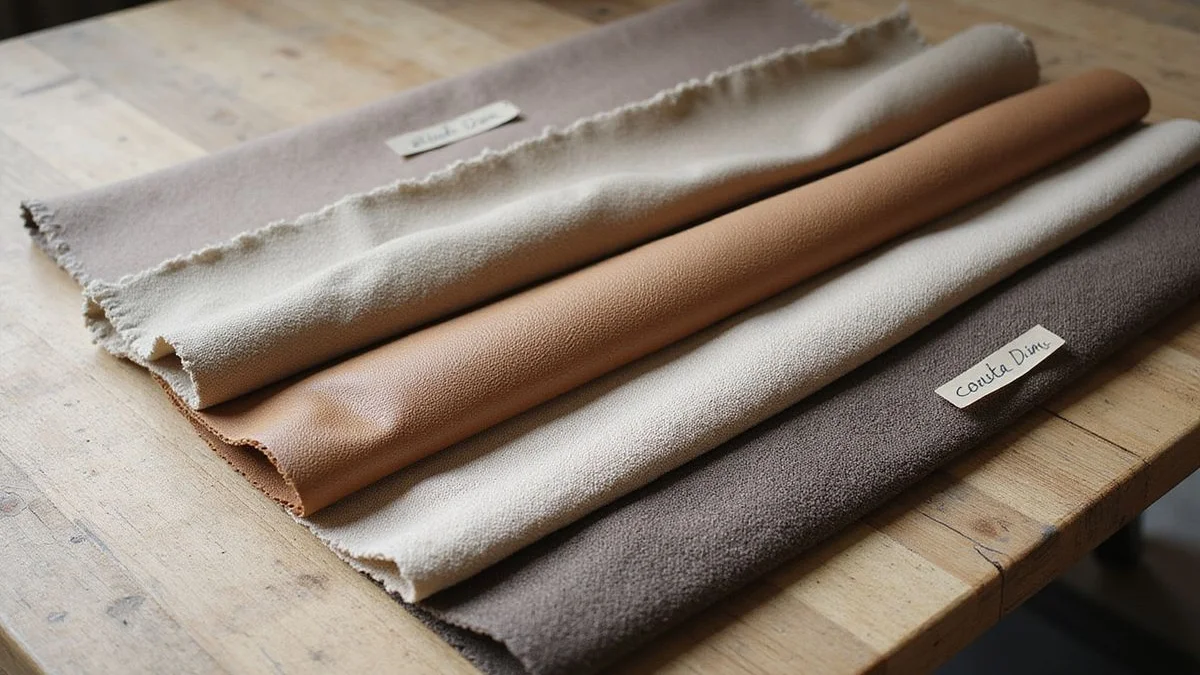
We frequently see homeowners in Selangor make the exact same mistake when trying a new sofa fabric cleaning method. The primary reason for irreversible upholstery damage is simply matching the wrong treatment to the wrong material. Washing velvet against the grain, steam-cleaning genuine leather, or applying alkaline detergent to linen usually results in permanent ruin.
The furniture rarely recovers from these single, aggressive errors.
Our daily schedule involves saving pieces from these very situations. Identifying the exact blend dictates whether a piece survives the process. Let us look at the six main fabric families common in Malaysian living rooms and map out the safest, most effective approach for each type.
How we identify fabric before treatment
We dedicate the first five minutes of any booking strictly to material identification. Knowing what you are dealing with prevents expensive mistakes.
Our standard protocol includes several specific steps before any water or solvent touches the piece.
- Check the care label: You will usually find this on the underside of seat cushions, displaying the composition and recommended cleaning code.
- Visual check: The weave, pile direction, and surface finish give away major clues.
- Touch check: Texture, fibre flexibility, and surface temperature help differentiate natural from synthetic.
- Patch test: A small hidden area receives a drop of the proposed treatment to check for colourfastness.
- Confirm with client: Full treatment only begins after you approve the test results.
We default to the gentlest possible approach if the origin remains ambiguous. Damage avoidance always takes priority over extraction depth.
The six main fabric families
1. Cotton and cotton blends
We often treat cotton blends in mid-range furniture because the material breathes so well in our tropical climate. Woven textures and a slight natural roughness make this fabric easy to identify.
Cleaning method: Hot-water extraction at standard temperature with a pH-neutral solvent.
Drying: Four to six hours to touch, or overnight for full drying.
Risks:
- Water rings form if extraction is uneven.
- Colour bleeding occurs if dyes lack colourfastness.
- Leftover soap residue leaves the surface feeling stiff.
Common mistakes:
- Using too much water creates visible rings.
- Skipping the patch test on dark colours leads to fading.
- Ignoring Selangor’s 80% average humidity, which slows drying and invites mould.
Our technicians always perform extra vacuum passes to pull out as much moisture as possible. Proper ventilation and ceiling fans speed up the drying time significantly.
2. Microfiber and synthetic suede
We find microfiber incredibly common in modern Malaysian homes due to its stain resistance. Proper microfiber sofa care requires specific attention to the nap. A very soft, slightly nappy surface that causes water to bead up initially is the classic signature of this material.
Cleaning method: Hot-water extraction at a lower temperature, using faster passes to avoid over-wetting.
Drying: Four to eight hours to touch.
Risks:
- Water marks remain visible until the piece is entirely dry.
- The surface texture changes permanently if rubbed in the wrong direction.
- Soap residue creates dark, stiff patches.
Common mistakes:
- Aggressive scrubbing ruins the nap direction.
- Insufficient extraction leaves behind chemicals.
- Failing to groom the fibres with a soft brush after treating.
Our team uses a specialized grooming tool to realign the fibres while they are still damp. This simple step prevents the synthetic suede from drying into a hard, crunchy texture.
3. Linen
We treat linen carefully because this natural fibre wrinkles easily and features a distinctly visible weave. These pieces usually feature natural beige or cream colours and have a slightly stiff feel.
Cleaning method: Low-moisture extraction, relying on multiple light passes rather than a single heavy soaking.
Drying: Six to twelve hours, as linen holds moisture much longer than cotton.
Risks:
- High heat or excessive water causes severe shrinkage.
- Drying under stress sets permanent wrinkles.
- Soap residue stiffens the natural fibres.
Common mistakes:
- Using cotton-style hot extraction causes immediate damage.
- Placing the furniture under direct sunlight in Ampang leads to uneven shrinking and UV fading.
- Ignoring the fabric’s tendency to brown if over-wetted.
Our low-moisture technique prevents the material from warping. Keeping the piece in an air-conditioned room speeds up the evaporation process safely.
4. Velvet
We handle velvet with extreme caution because its distinctive pile and shimmering surface are notoriously easy to crush. You can identify it by the smooth texture and the way the sheen changes under the light.
Cleaning method: Low-moisture application with zero agitation, extracted purely by hand along the grain direction.
Drying: Four to six hours to touch.
Risks:
- Rubbing against the grain flattens the pile permanently.
- Letting water sit creates unfixable watermarks.
- Heavy extractor nozzles crush the delicate fibres.
- Uneven drying alters the fabric’s natural sheen.
Common mistakes:
- Using a rotary extractor destroys the texture.
- Working against the natural grain leaves permanent streaks.
- Soaking the material right through to the backing.
Our specialists often encounter synthetic polyester velvets from local retailers like Rozel, which require different handling than traditional cotton velvet. Gently brushing the pile while damp restores the original luxurious finish.
5. Genuine Leather
We never use steam extraction during leather sofa cleaning. Smooth or textured hides possess a distinctive smell and show a slight stretch when pressed.
Cleaning method: Saddle-soap application followed immediately by a high-quality leather conditioner like PG Leather Care.
Drying: Minimal, as the surface is wiped dry during the process.
Risks:
- Over-cleaning strips natural oils, causing the hide to dry out and crack.
- Solvents not formulated for hides strip the colour away completely.
- Leftover soap causes the material to stiffen.
- Skipping the conditioning step leads to fine cracks known as crazing.
Common mistakes:
- Steam cleaning is the absolute worst possible choice.
- Applying standard furniture polish damages the finish over time.
- Leaving the material unprotected against the intense Malaysian heat.
Our routine always finishes with a protective cream to lock in moisture. The constant air-conditioning in local homes pulls moisture from the hide, making regular conditioning mandatory.
6. Faux-leather (PU, PVC, bonded leather)
We treat faux-leather differently because its chemistry shares nothing in common with real animal hides. It looks uniform, lacks the natural smell, and frequently peels at the edges.
| Material Type | Average Malaysian Lifespan | Primary Threat |
|---|---|---|
| Genuine Leather | 15-20+ years | Drying and cracking from AC exposure |
| PU / Faux Leather | 2-4 years | Peeling from high humidity (hydrolysis) |
Our humid climate triggers a chemical reaction called hydrolysis, which causes PU leather to peel rapidly. Wiping the surface with a dry cloth daily helps prevent moisture buildup.
Cleaning method: A damp microfiber cloth with mild soap, followed by a light, specific PU conditioner. Never use solvents.
Drying: Minimal.
Risks:
- Harsh solvents cause immediate surface cracking and peeling.
- Soap residue leaves a sticky, uncomfortable feel.
- Unfixed dyes transfer onto clothes easily.
Common mistakes:
- Treating polyurethane like real leather ruins the coating.
- Steam application causes the surface to delaminate rapidly.
- Alcohol-based products degrade the PU protective layer.
Other fabrics we encounter
Our technicians regularly run into specialized materials that require highly specific adjustments. Missing these details often leads to poor results.
Wool blends
We only use low-temperature extraction for wool. High water temperatures cause immediate shrinkage. The fibres also felt and clump together under heavy agitation, so a gentle hand is mandatory.
Synthetic blends (acrylic, polyester)
We find synthetic blends to be generally resilient and forgiving. Hot-water extraction at standard temperatures works perfectly. These durable blends dominate the mid-range sofa market across Malaysia.
Synthetic polyester blends currently represent the most popular choice for families in Selangor, offering the best balance of durability and cost.
Chenille
We approach chenille much like microfiber, but with extra attention paid to the pile direction. The tufted yarns require careful grooming after extraction to maintain their soft, fuzzy texture.
Performance fabrics
We love seeing performance fabrics like FibreGuard by Acacia Fabrics or Sunbrella because they are designed specifically for easy maintenance. Standard hot-water extraction is perfectly fine. Technicians can even use stronger solvents if the piece is heavily soiled.
Key advantages of performance fabrics:
- Built-in stain resistance prevents liquids from soaking in.
- Highly resilient against heavy scrubbing and strong detergents.
- Maintains colourfastness even under bright Malaysian sunlight.
When a sofa should not be cleaned
We sometimes advise clients to skip the extraction entirely. Routine fabric sofa cleaning simply poses too much risk for certain fragile pieces.
- Antique or vintage upholstery requires a dedicated restoration specialist.
- Hand-painted or hand-printed textiles bleed instantly.
- Pieces lacking a care label where the patch test reveals colour instability are too risky.
- Visibly delaminating bonded leather will only peel faster under pressure.
- Frames with broken springs or structural damage need a carpenter, not a cleaner.
Our team will tell you immediately if your furniture falls into these categories upon arrival. Sometimes, replacing the item makes more financial sense than attempting a risky recovery.
Bringing in expertise
We know that identification mistakes are incredibly expensive, as most ruined pieces cannot be saved. The Sdn. Bhd. team approach systematically reduces this risk.
- Multiple cleaners arrive with experience across all major material types.
- A strict patch-test protocol happens before any major work begins.
- Comprehensive insurance protects your investment if a rare mistake occurs.
- Conservative defaults take over when the exact blend remains uncertain.
Our priority is extending the life of your furniture safely. You can Book sofa cleaning directly through our schedule, or see steam vs dry vacuuming to understand exactly how our machinery operates.
Related service
Sofa, Mattress & Carpet Cleaning
Hot-water and steam extraction for sofas, mattresses and carpets - removes dust mites, allergens and trapped odours that surface vacuuming leaves behind.
Learn about Sofa, Mattress & Carpet Cleaning