Signs Your Home Needs a Deep Clean
Visual, olfactory and health signs that your home needs a deep clean — and when routine cleaning is no longer enough.
You know how quickly a house can go from feeling fresh to feeling slightly neglected in Selangor’s high-humidity climate.
Knowing when your routine cleaning is no longer enough is the difference between a home that stays consistently clean and one that drifts. We see this subtle shift happen in properties across Ampang every week. The signs you need deep cleaning are usually visual first, olfactory second, and health-related third.
By the time it becomes a health issue, the indoor environment is already heavily compromised. If two or more of these signs apply, that’s usually the trigger to book a professional deep clean rather than try to catch up with weekend chores. Let’s look at the specific indicators, what they are actually telling us about your surfaces, and explore exactly how to respond.
Visual signs, the easiest to spot
Visual cues are the first clear indicators that your surfaces require heavy-duty intervention. Spotting dirt buildup early, like yellowing grout or dusty fan blades, saves you from costlier restorations later.
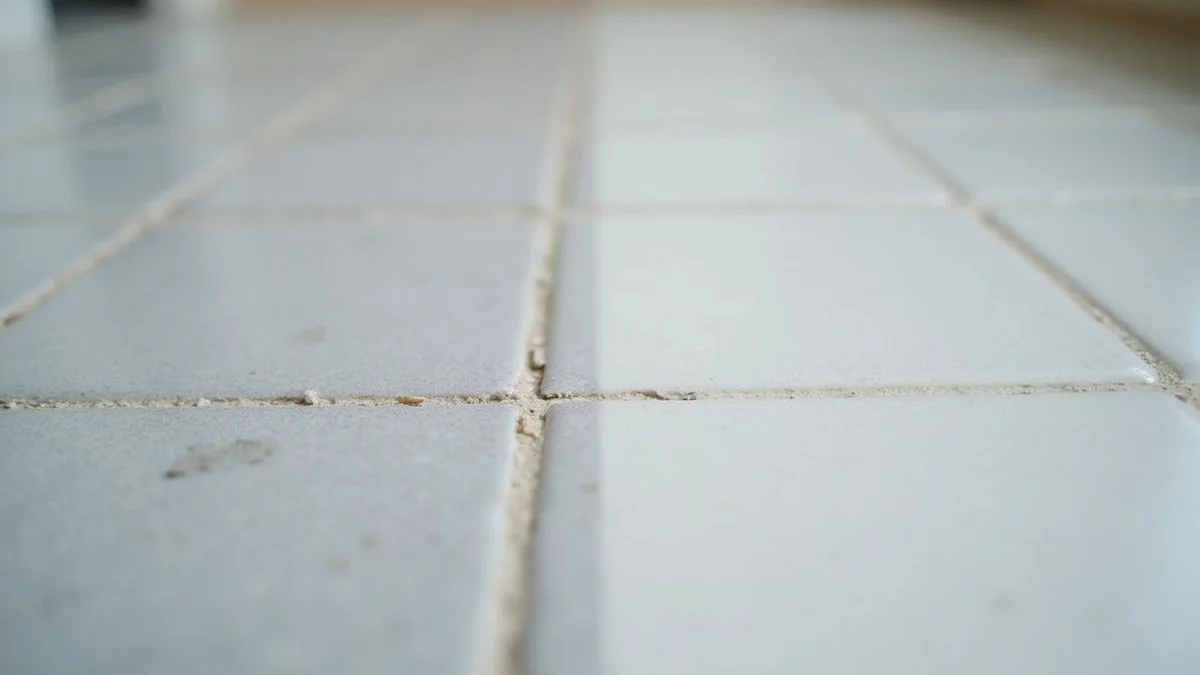
Grout discolouration starting
Walk into your kitchen and look at the splashback grout lines. Then inspect the bathroom shower grout. If they are going from white to yellow or yellow to brown, your routine clean is no longer reaching the microscopic pores of the surface.
This is a quarterly deep-clean trigger. Our tropical humidity traps moisture in these tiny crevices, accelerating bacterial growth. A professional-grade alkaline grout cleaner is required to lift this embedded soil.
Ceiling fan blade dust ring
Look up at any ceiling fan from below. Is there a visible band of grey fluff on the top edge of each blade? Most homeowners never look up there.
The ring builds within 8 to 10 weeks of normal use in Malaysian conditions. Recent 2026 air quality reports for the Klang Valley show average PM2.5 concentrations hovering around 15.7 µg/m³. These fine particles stick to the leading edge of moving blades, requiring a microfibre wipe-down with a dedicated anti-static spray to prevent them from circulating in your breathing zone.
Behind-furniture dust banks
Slide the sofa forward about 30 centimetres. Look closely at the floor where it sat. A thin grey film is completely normal between weekly cleans.
Visible balls of fluff mean the routine sweeper or vacuum is missing the perimeter. We often find that these dust banks are heavy with dead skin cells and pet dander. Leaving them allows dust mites to establish a breeding colony right near your seating area.
Switch plates and door handles looking grubby
Switch plates and door handles in Malaysian homes accumulate a thin film of skin oil mixed with airborne dust very quickly. If they look noticeably darker than the surrounding wall or door, the routine wipe-down is skipping them or is simply overdue.
Using a dry cloth only smears the oils further. You need a citrus-based degreaser to actually break down the lipid layer.
Kitchen hood grease building down
The underside of the kitchen exhaust hood, just inside the grille edge, accumulates a yellow-brown grease film. High-heat local cooking methods like frying sambal or wok-tossing create vaporised oils that escape the primary filter.
If you can see this sticky film from below, it is time for a professional hood degreasing. Neglecting this buildup restricts airflow and creates a significant fire hazard over time according to local safety guidelines.
Light fitting dust
Pendant lights, chandeliers, and shaded ceiling fittings catch particulate matter on every flat surface. Yellowing white fabric shades are usually suffering from 50 percent dust accumulation, rather than fabric ageing.
Humidity turns dry household dust into a sticky layer that binds to glass and fabric. We recommend using a soft brush vacuum attachment to gently lift the debris before it permanently stains the material.
Window tracks and frames
Slide a window open and listen. If the track grit grinds or the frame is grey-brown rather than its original colour, the track has built up enough particulate to need a proper clean.
Urban emissions from heavy traffic settle directly onto these sills. A detail brush and a strong crevice vacuum tool are the only ways to clear this abrasive grit.
Olfactory signs, when the home doesn’t smell right
Unpleasant odours are a direct confirmation that bacteria or fungi are actively multiplying in your home. These distinct smells are reliable deep clean warning signs that should never be ignored. We find that masking these smells with air fresheners only allows the root cause to spread further.
Musty corner smell after ventilation
Open all windows for an hour to let fresh air circulate. If certain corners still smell stuffy after airing, you have mould starting or trapped humidity.
A landmark study from Universiti Kebangsaan Malaysia (UKM) found that 83.2 percent of Malaysian residences have serious mould contamination. Common problem spots include the space behind the toilet base, under bath mats, inside wardrobes, and behind the fridge.
Persistent kitchen odour
A kitchen that smells like stale cooking long after you have finished frying usually has built-up grease. This oxidised oil sits in the hood filter, the exhaust ducting, or the kitchen exhaust grille.
A deep clean addresses the actual source of the smell rather than just masking it. We use industrial-grade alkaline degreasers to break down these stubborn lipid bonds.
Damp upholstery smell
A sofa or mattress that smells slightly damp or musty after a quiet day at home has trapped moisture from our high humidity. This environment creates a thriving biofilm for microorganisms.
This specific odour is an upholstery extraction trigger, not just a standard wipe-down issue. Hot-water extraction removes the sweat and biological material feeding the bacteria.
Bathroom soap and mildew smell
This scent is very distinct from a normal “just used” bathroom smell. A lingering soap and mildew odour after airing means the grout and silicone are now hosting active fungal colonies.
Indoor humidity levels above 60 percent easily trigger Cladosporium mould growth in these wet zones. It is treatable with targeted cleaning solutions before the fungi digest the sealant and become a structural problem.
Health signs, by then it’s already late
Physical symptoms are the final and most severe indicator that your indoor air quality is compromised. Knowing when to deep clean can quickly resolve unexplained allergies or morning congestion. Our clients often report dramatic improvements in their comfort once the underlying environmental triggers are removed.
| Health Warning | Common Indoor Trigger | Recommended Action |
|---|---|---|
| Morning congestion | Dust mite waste in bedding | Hot water extraction |
| Unexplained skin rashes | Pet dander and biofilm | Deep vacuuming of fabrics |
| Lingering cough | Mildew spores in AC units | Aircon chemical wash |
| Eye irritation | Airborne PM2.5 particulates | Detailed surface wiping |
Allergy or asthma flare-ups indoors
If symptoms worsen specifically inside the home, and you can rule out external triggers, the indoor environment is the likely culprit. A 2024 study by the University of Nottingham Malaysia confirms that house dust mites are a leading cause of respiratory issues in our warm, tropical climate.
Targeting soft furnishings is the first thing to try before assuming you need an allergist. Removing the allergen load provides immediate relief for sensitive airways.
Eczema worsening on contact with bedding
Dust mite waste protein, specifically the Der p 1 allergen, is a known eczema trigger. Children with developing immune systems are especially vulnerable to these microscopic irritants.
Kids specifically benefit from a mattress hot-water extraction and shorter routine intervals. This thermal process neutralises the proteins causing the skin reaction.
Recurring respiratory symptoms in kids
Persistent coughs or sneezes in children at home that resolve when they go to school suggest poor indoor air quality. Dust and allergens trapped indoors can easily exceed safe guidelines.
A deep clean must focus on high-dust areas like ceiling fans, upholstery, heavy curtains, and area carpets. We target these specific zones to drastically reduce the volume of airborne irritants.
Recent illness in the household
After flu, gastro, or any infectious illness sweeps through the family, residual viruses linger on surfaces. High-touch sanitisation reduces the risk of re-infection within the household.
Wiping down door handles, light switches, remotes, and shared bathroom fixtures breaks the chain of transmission.
Contextual triggers, book in advance
Certain life events and property changes automatically dictate the need for a comprehensive reset of your living space. Pre-festival hosting and moving dates are the most common reasons to book professional help in advance.
If any of these property milestones are coming up, book early because peak service windows fill very quickly:
- Moving in to a new home: Start fresh and book a move-in clean.
- Moving out and chasing deposit: Secure your bond and book move-out cleaning.
- Post-renovation: Clear hazardous construction dust and book post-renovation cleaning, not a standard deep clean.
Other triggers revolve around family changes and local seasonal events. You should secure a slot 4 to 6 weeks in advance for these situations:
- Pre-festival hosting: Prepare for Raya, CNY, Deepavali, Christmas, or major birthdays.
- New baby coming home: Sanitise the nursery and main living areas thoroughly.
- Aged or immunocompromised relative moving in: Eliminate hidden allergens and mould spores.
- Returning from a long trip: Clear the stagnant dust that settles while the house is closed up.
- Post-haze season recovery: Wash away the fine ash and outdoor pollution that inevitably leaks indoors.
Next step
WhatsApp us photos of the surfaces you are concerned about so we can assess the situation.
We can quickly confirm whether a heavy-duty intervention is the right call or if a more specific service is needed.
Take a moment to compare deep cleaning to regular cleaning for more context on what each service actually covers.
Getting the right level of help ensures your home stays healthy and comfortable year-round.
Related service
Deep Cleaning
An intensive once-off clean that reaches what routine maintenance misses - skirtings, grout, behind appliances and ceiling fans.
Learn about Deep Cleaning